
Día de Reyes · a little time around the table
Rosca de Reyes games: a family Lotería night
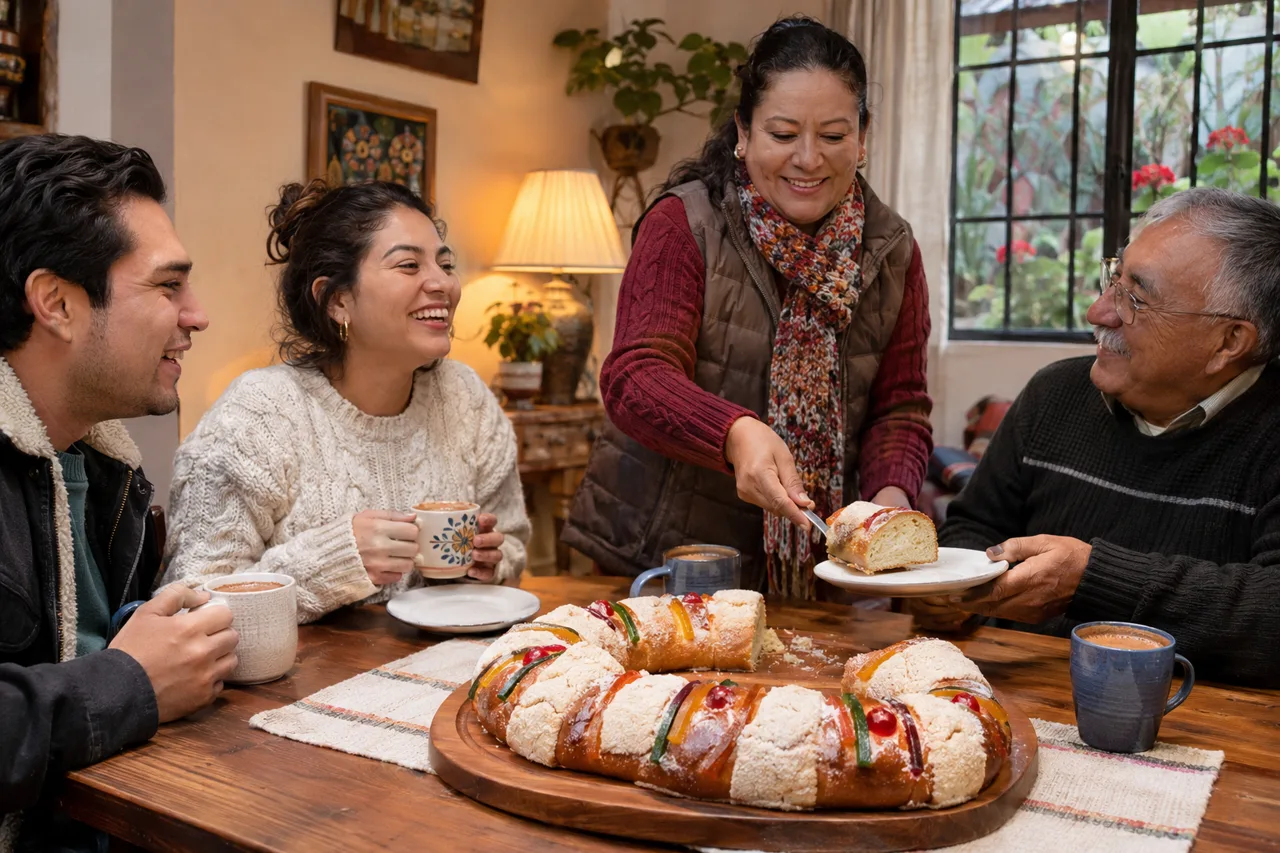
Someone is making the drinks and everyone has a different story about last year’s slice. A simple family game can keep the conversation going without turning January 6 into a packed program.
Leer esta guía en españolPlan a short optional game around the gathering your family already wants. Use a matching deck and boards, review the artwork together and leave room for people to join in either language.
In this guide
Make room for your family’s way of gathering
Ask the host how the meal, rosca and any family or faith observance will work. Offer the game as a separate social activity—not a replacement for a tradition or an assumption about what every family does. A twenty-minute window after serving can be enough for an explanation and one short round.
- Ask how many people want to play; offer pairs for mixed ages or languages.
- Keep eating and game pieces in separate spots. Provide your own suitable markers.
- Show the winning pattern and explain the tie rule before the first call.
- Let someone pass on a story, photo or activity without explaining why.
Find the Reyes cards in the existing Christmas edition
The current 52-card Latino Christmas deck includes La Rosca de Reyes, El Muñeco and Los Reyes Magos, alongside other December and New Year pictures. Preview the entire deck for your group; a seasonal title does not mean every image is suitable for every setting.
This guide does not introduce a new Reyes product, religious deck or endorsement. The ready-made digital edition and printed set are separate purchases. Use only the calling deck that matches your selected boards.
Make a personal version without borrowing someone else’s artwork
A custom deck can show the people, foods and places that belong to your gathering. Choose photos you own or have permission to use. Add short familiar names and check them with the person pictured. You do not need to illustrate sacred figures or copy a traditional commercial deck.
- Photo prompts: La Familia, La Mesa, El Chocolate, La Taza, El Pan, La Cocina, La Abuela and Los Primos.
- Add a favorite shared place, recipe or family memory—with permission.
- Treat these as prompts, not a complete supplied deck. A 4×4 board needs at least 16 distinct cards; more cards offer more variety.
- Start a free draft and preview it. Current paid custom access or a separate printed order applies when you need a complete finished set.
Keep the round short enough for the table
Choose one easy-to-show pattern before playing, such as a single horizontal line, and point to an example. Give the caller a comfortable place and keep the already-drawn cards visible. Do one practice call so new players can match a picture and ask a question.
Do not rush the language. Say the card name, pause and repeat it in the other language if useful. Read the actual deck label rather than inventing a clue that only part of the family understands.
Unique boards can still finish together
Different boards are not a promise of one winner. Two players can complete the announced pattern on the same call, especially with a large group or a small deck. More cards give you more variety, not a no-tie guarantee.
- Agree before playing: share the prize, keep a small extra prize, or use one clearly announced tie-break activity.
- Pause the calls, check every claimed pattern against the cards already called, and recognize all valid tied winners.
- Keep the same rule for everyone. Do not change the winning pattern after someone calls.
A quick check before people arrive
Count the boards, match the deck, prepare your own markers and print one test page at actual size. Keep one person ready to check a called win. For a delivered set, consult the order’s current estimate rather than assuming it will arrive before January 6.
The free host kit is a printable planning aid with a checklist and calling script. It is not a complete game or a free copy of a paid shop edition.