Lotería basics
What Is Lotería? History, Cards, and How to Play
Lotería is often called Mexican bingo, but the real magic is in the images, the caller, the little markers on the tabla, and the suspense before someone yells “¡Lotería!”
Leer esta guía en españolLotería starts quietly enough: a tabla on the table, a pile of markers, someone shuffling the deck, and a room full of people pretending they are not one card away from causing drama. Then the caller lifts a card, the table reacts, and suddenly everyone is watching for the image that completes the pattern.
People often call it Mexican bingo, and that is a useful shortcut. But Lotería is more than numbers with prettier pictures. It is a visual memory game, a caller’s performance, a tiny art gallery, and a family-table tradition that has kept changing from printed decks to classrooms, parties, apps, and custom photo games.
In this guide
Classic deck reference
The 54 traditional Lotería cards
The full traditional deck in 1 to 54 order. Open any card call to read the traditional canto and translation without turning the page into a wall of text.
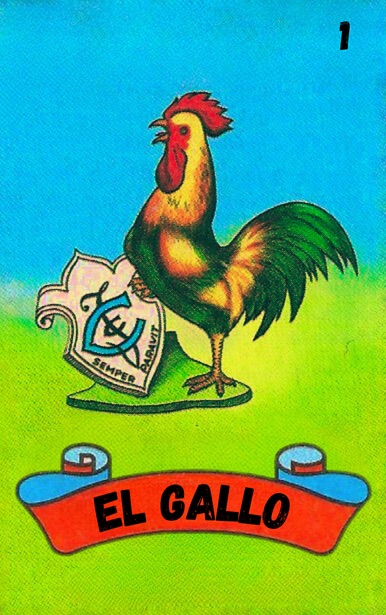
El Gallo
The rooster
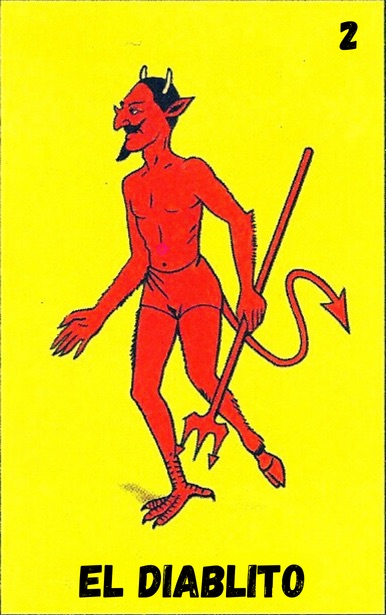
El Diablito
The little devil
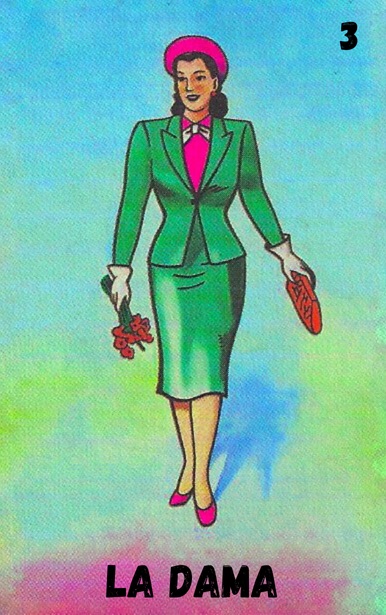
La Dama
The lady
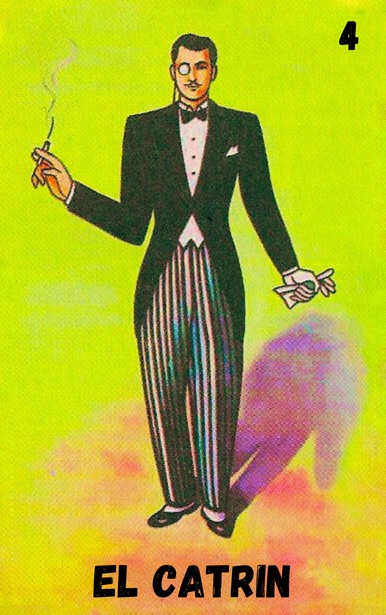
El Catrín
The dandy
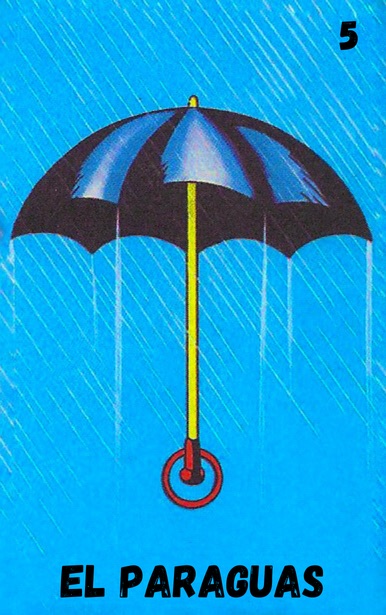
El Paraguas
The umbrella
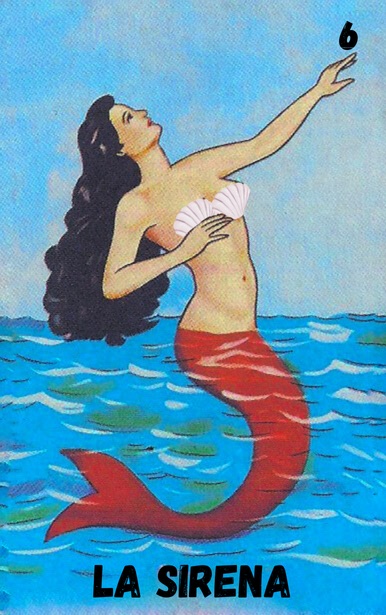
La Sirena
The mermaid
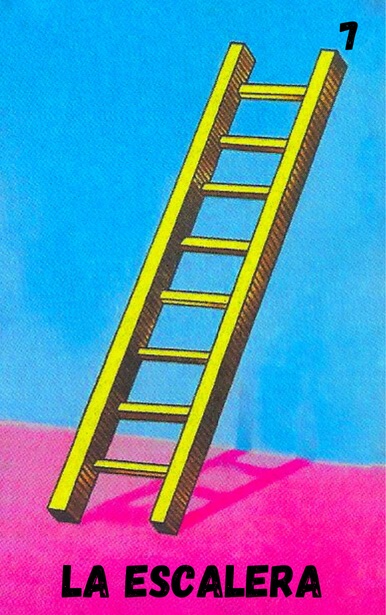
La Escalera
The ladder
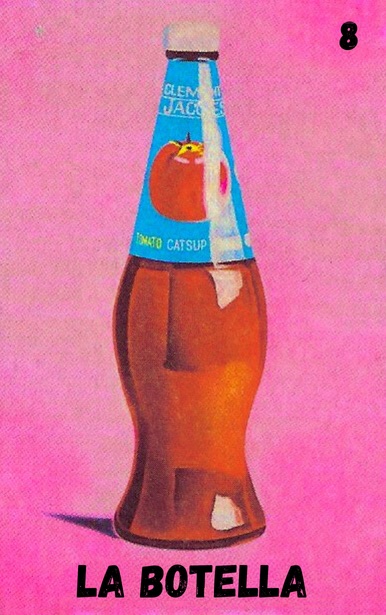
La Botella
The bottle
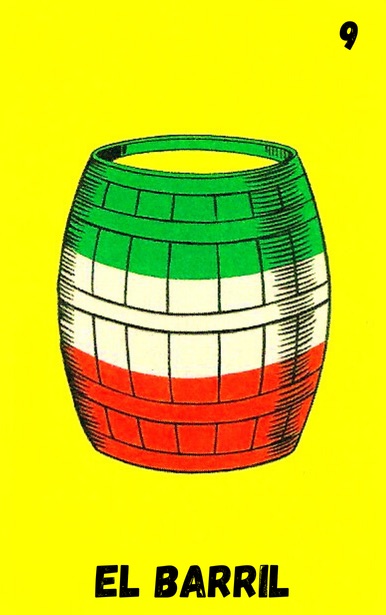
El Barril
The barrel
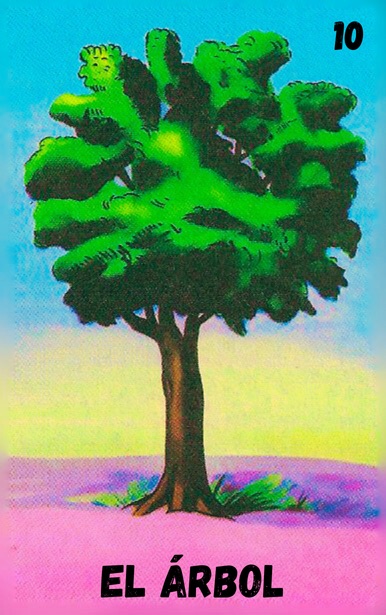
El Árbol
The tree
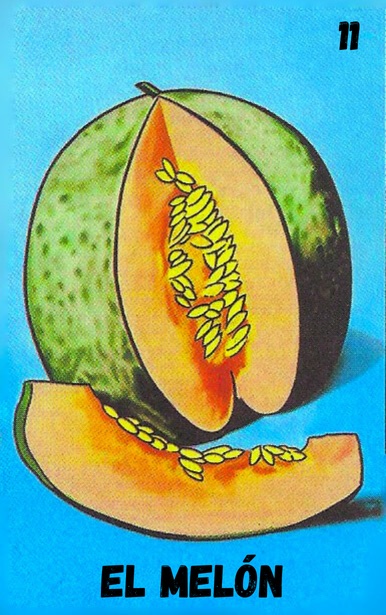
El Melón
The melon
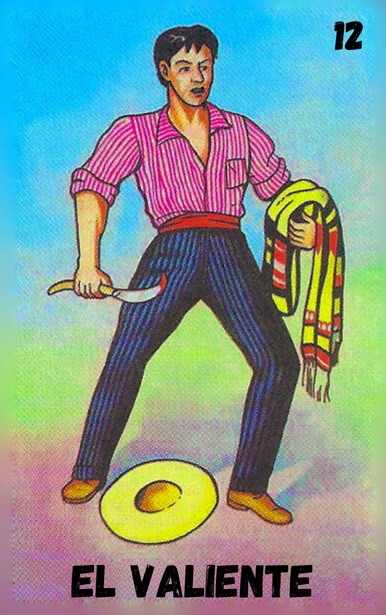
El Valiente
The brave one
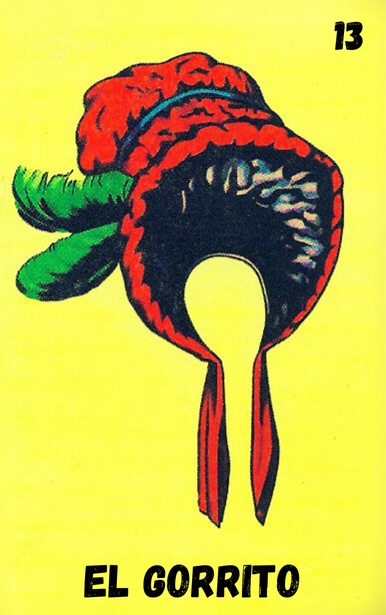
El Gorrito
The little cap
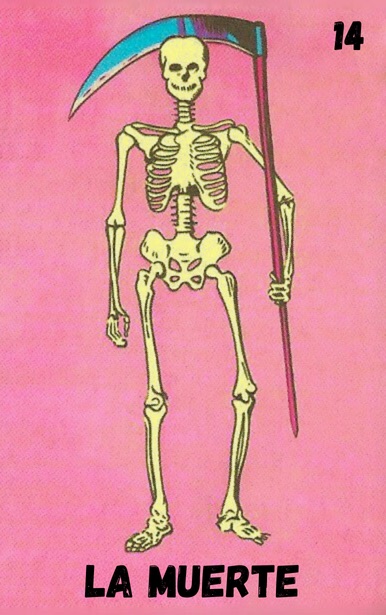
La Muerte
Death
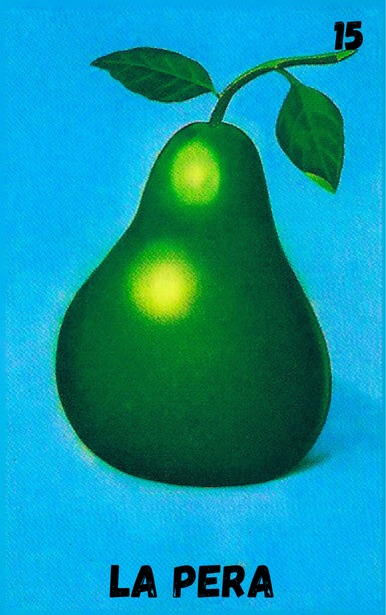
La Pera
The pear
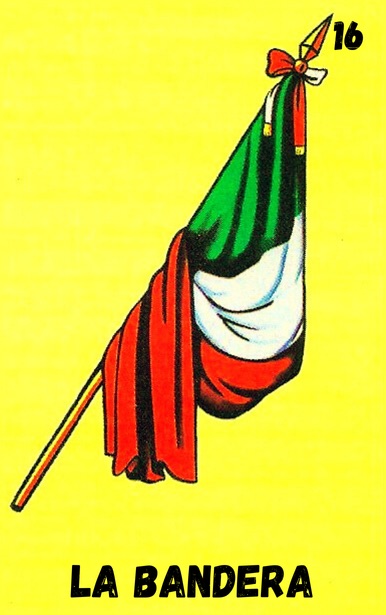
La Bandera
The flag
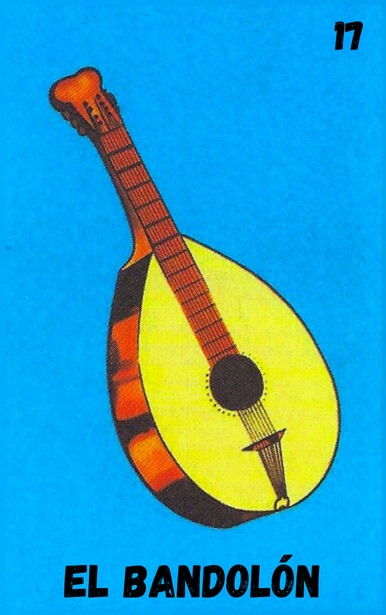
El Bandolón
The bandolón
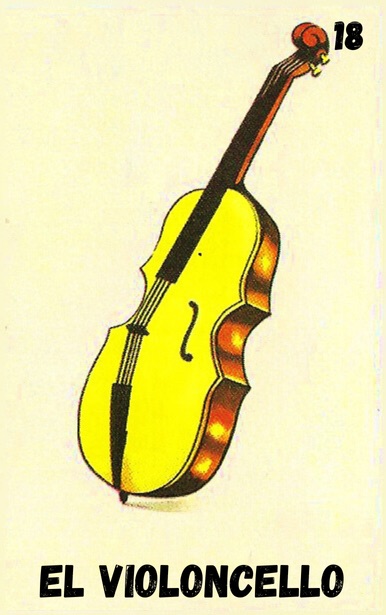
El Violoncello
The cello

La Garza
The heron
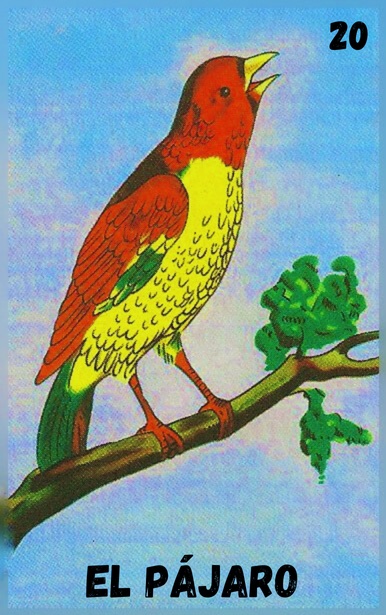
El Pájaro
The bird
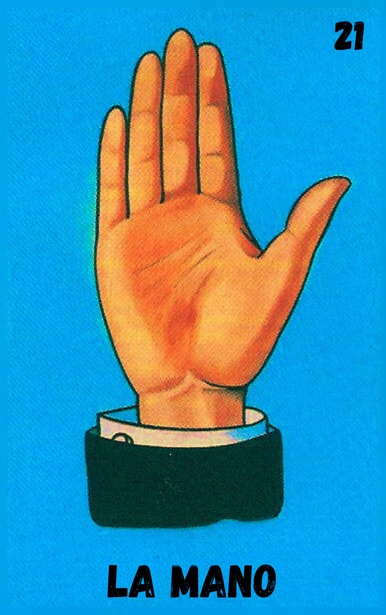
La Mano
The hand
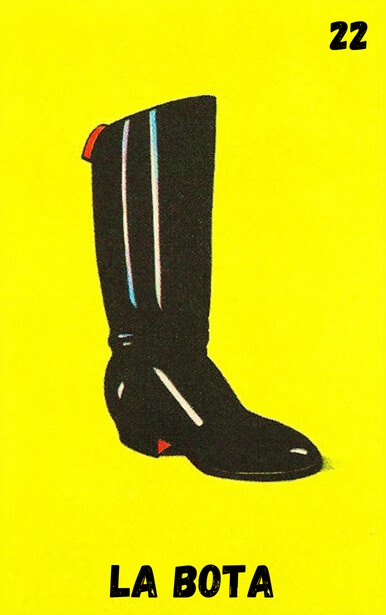
La Bota
The boot

La Luna
The moon
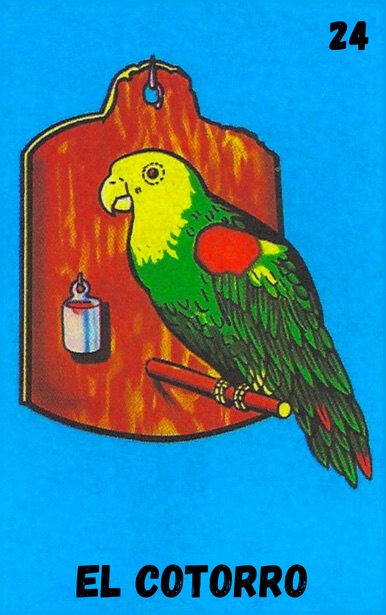
El Cotorro
The parrot
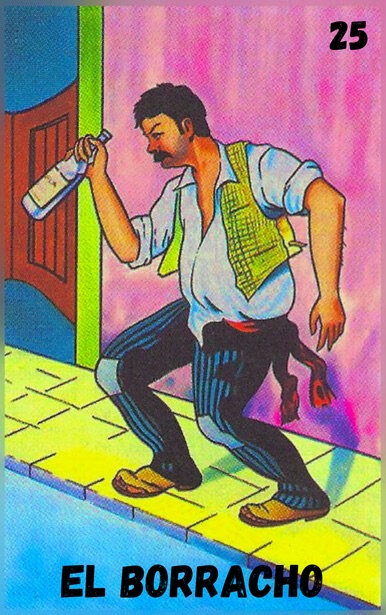
El Borracho
The drunkard
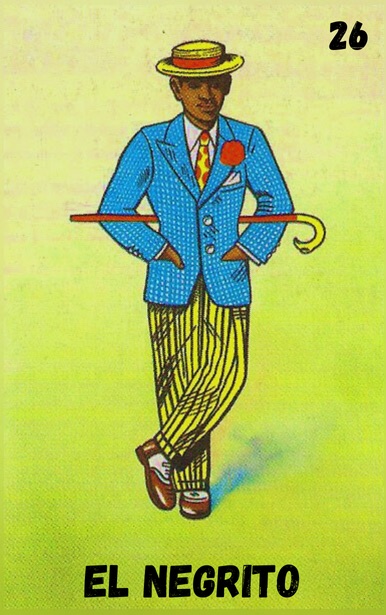
El Negrito
The little Black figure
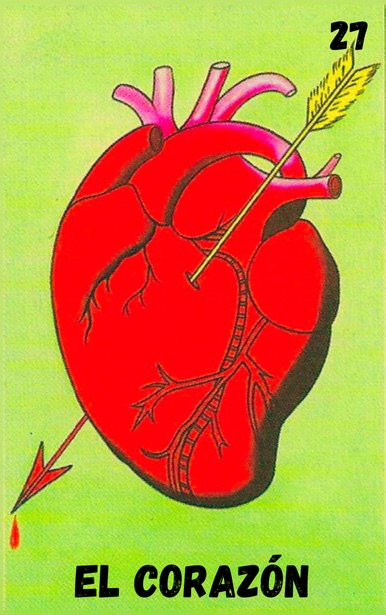
El Corazón
The heart
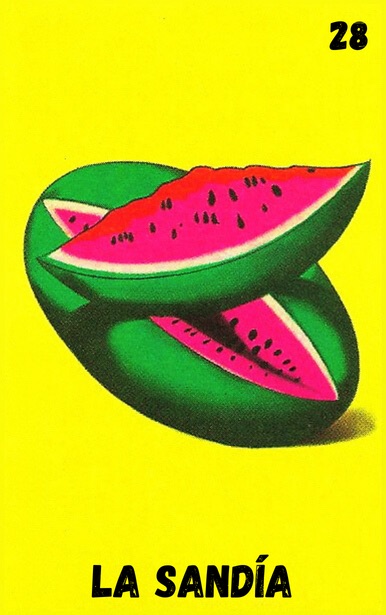
La Sandía
The watermelon
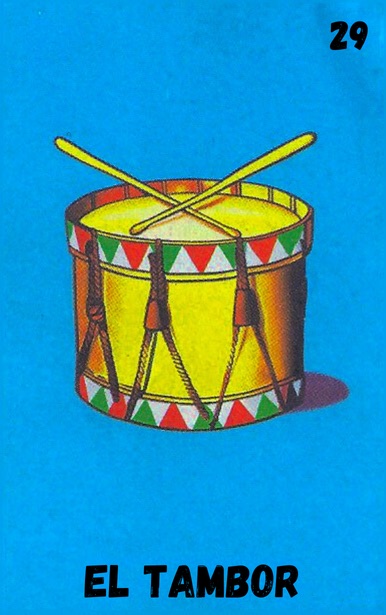
El Tambor
The drum
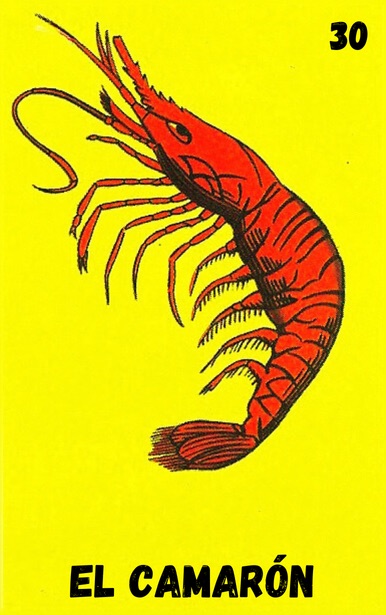
El Camarón
The shrimp
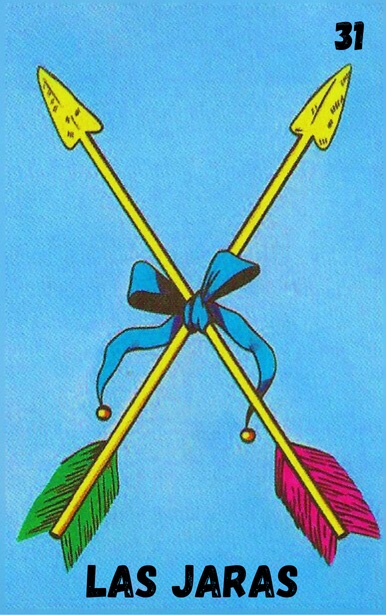
Las Jaras
The arrows
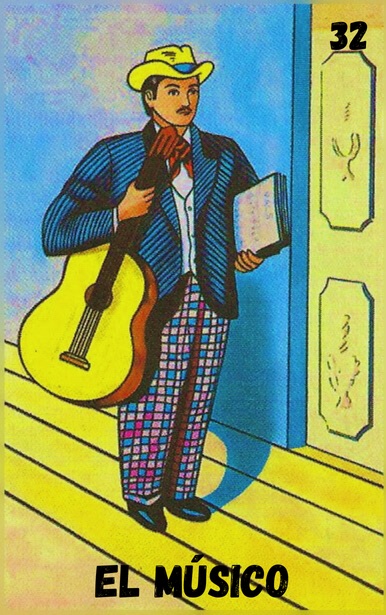
El Músico
The musician
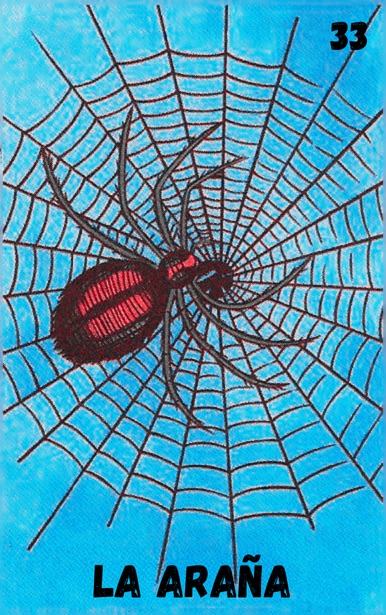
La Araña
The spider
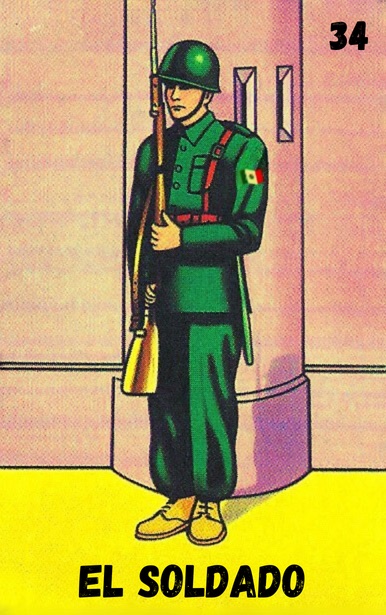
El Soldado
The soldier
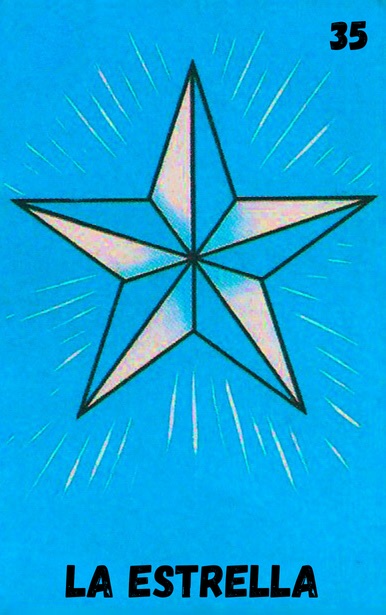
La Estrella
The star
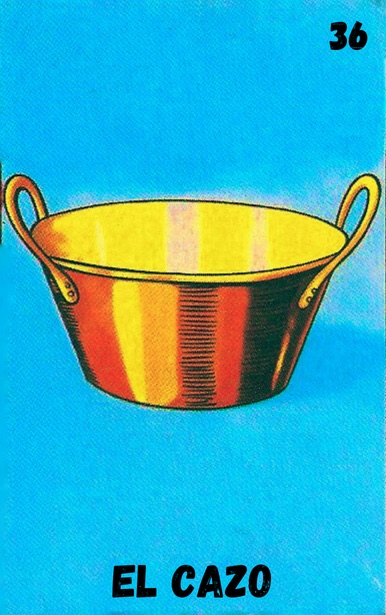
El Cazo
The saucepan

El Mundo
The world
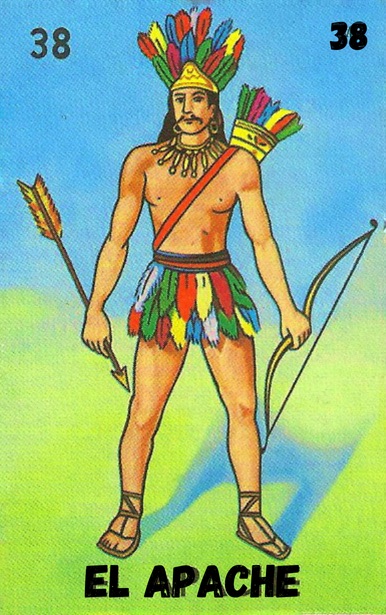
El Apache
The Apache
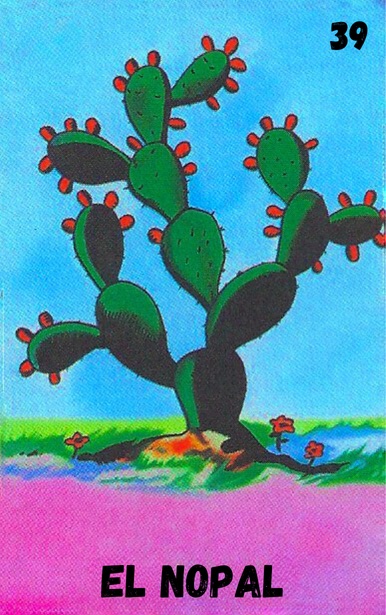
El Nopal
The prickly pear cactus
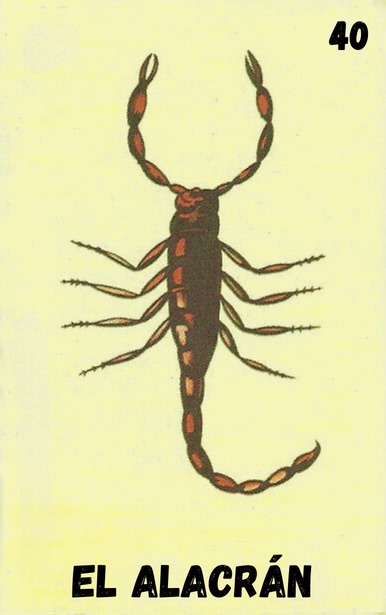
El Alacrán
The scorpion
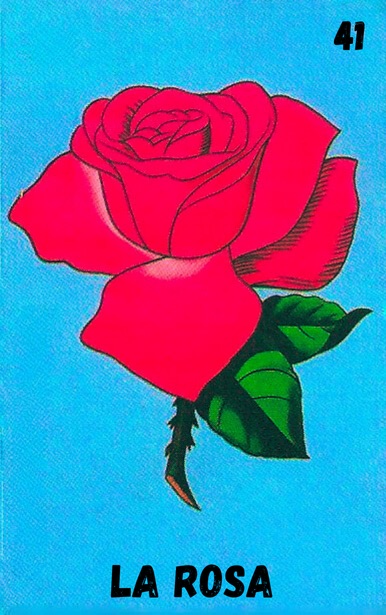
La Rosa
The rose
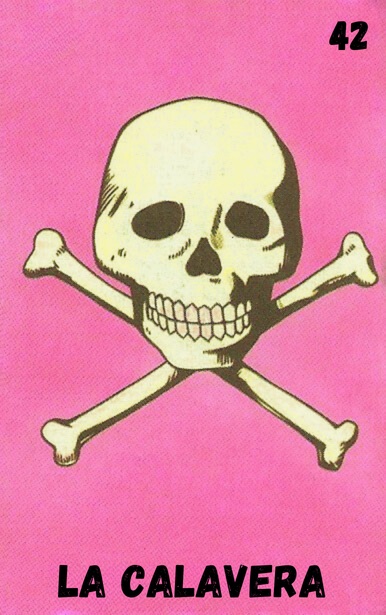
La Calavera
The skull
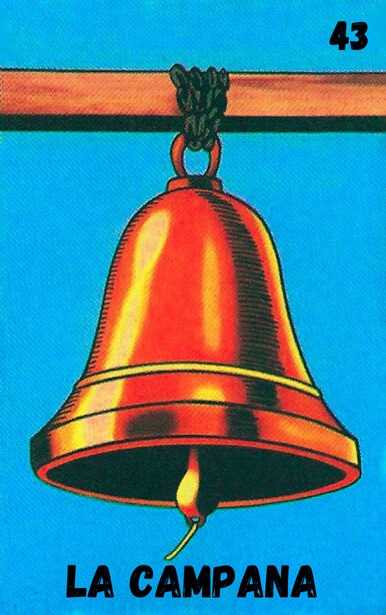
La Campana
The bell
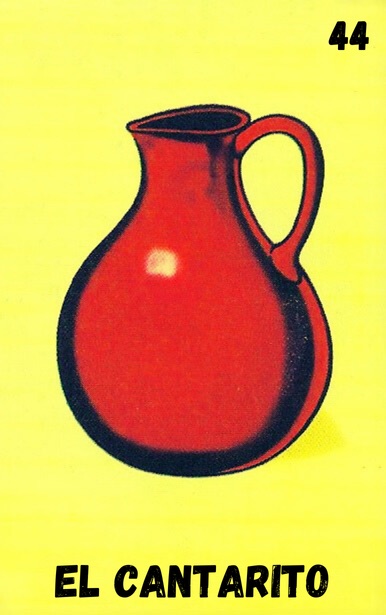
El Cantarito
The little pitcher

El Venado
The deer

El Sol
The sun
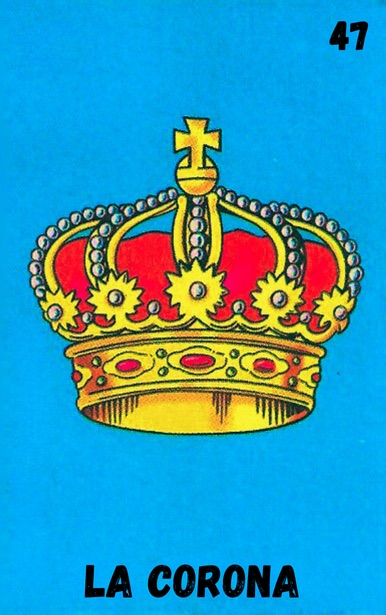
La Corona
The crown
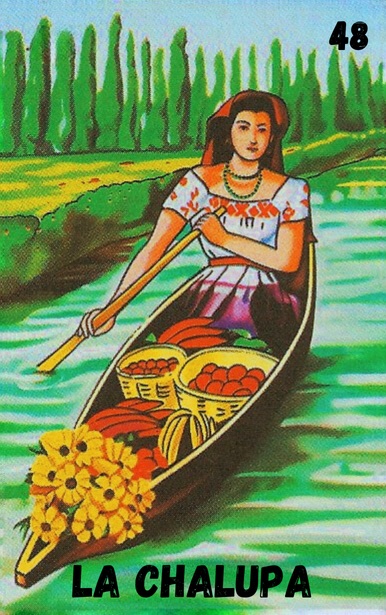
La Chalupa
The small boat
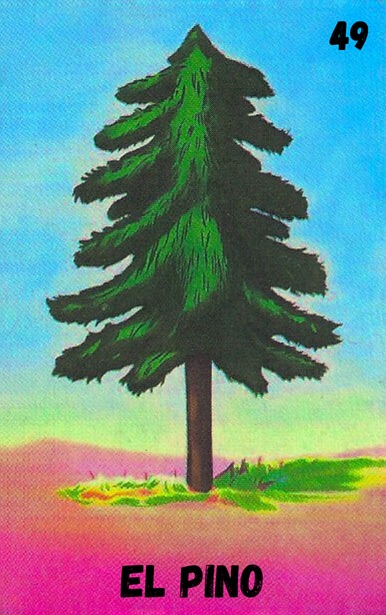
El Pino
The pine tree
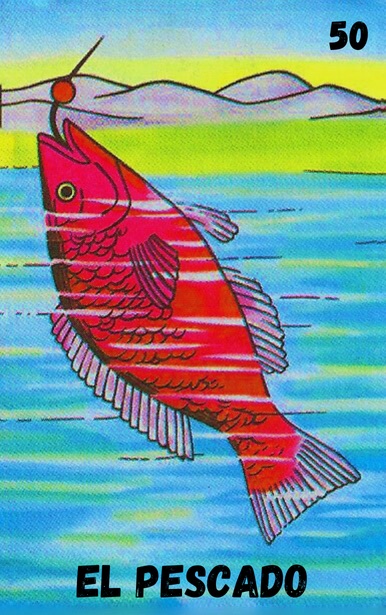
El Pescado
The fish
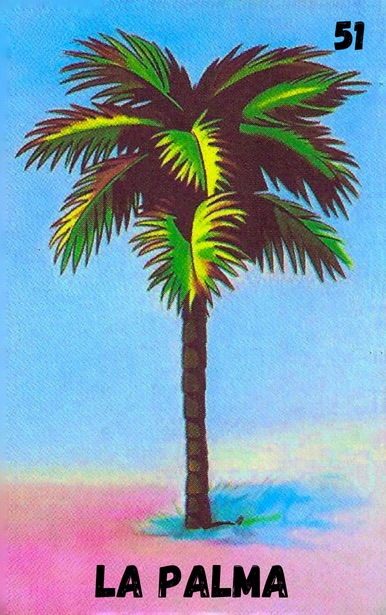
La Palma
The palm tree
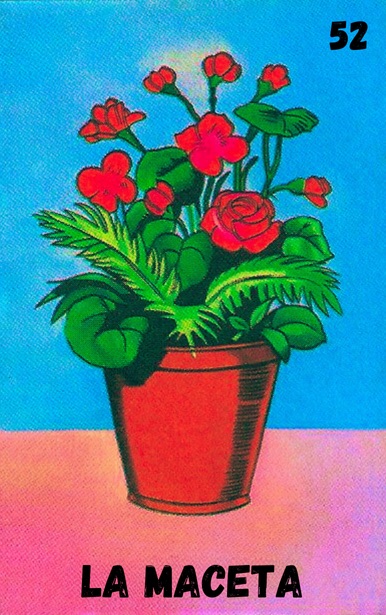
La Maceta
The flowerpot
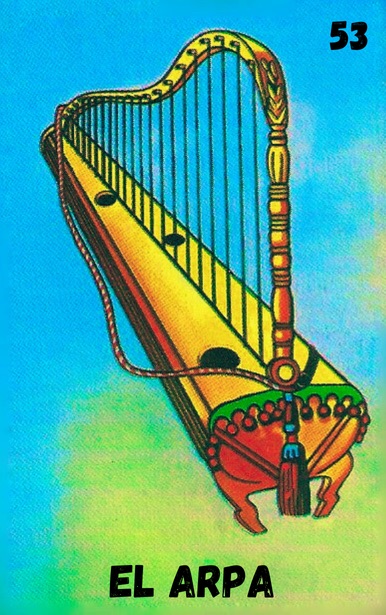
El Arpa
The harp
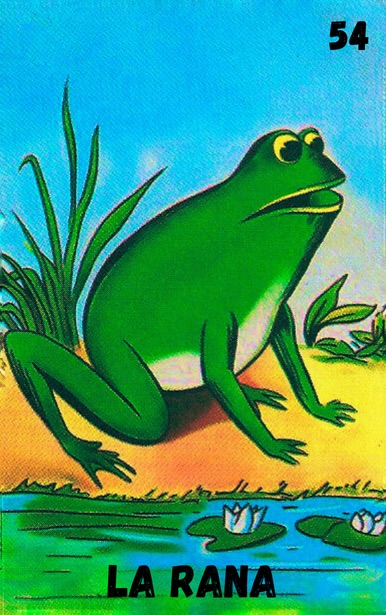
La Rana
The frog
Quick visual
What sits on the table
A simple Lotería setup does not need much. The magic is in the caller, the images, and the little markers everyone keeps moving around the board.
Calling deck
Cards are shuffled and revealed one at a time.
Player tablas
Each player gets a 4x4 board with a different mix of cards.
Markers
Beans, coins, buttons, or small paper pieces all work.
Winning pattern
Pick the pattern before the round starts so everyone knows the goal.
Quick visual
The caller makes the room wake up
A caller can simply read names, but the best rounds have rhythm: a clear card, a little suspense, and sometimes a traditional saying.
Name
Read the card clearly so every player can follow.
Call
Use a traditional canto when it adds flavor.
Pause
Give players a second to scan their tabla.
Reaction
Let the table laugh, groan, or celebrate.
Quick visual
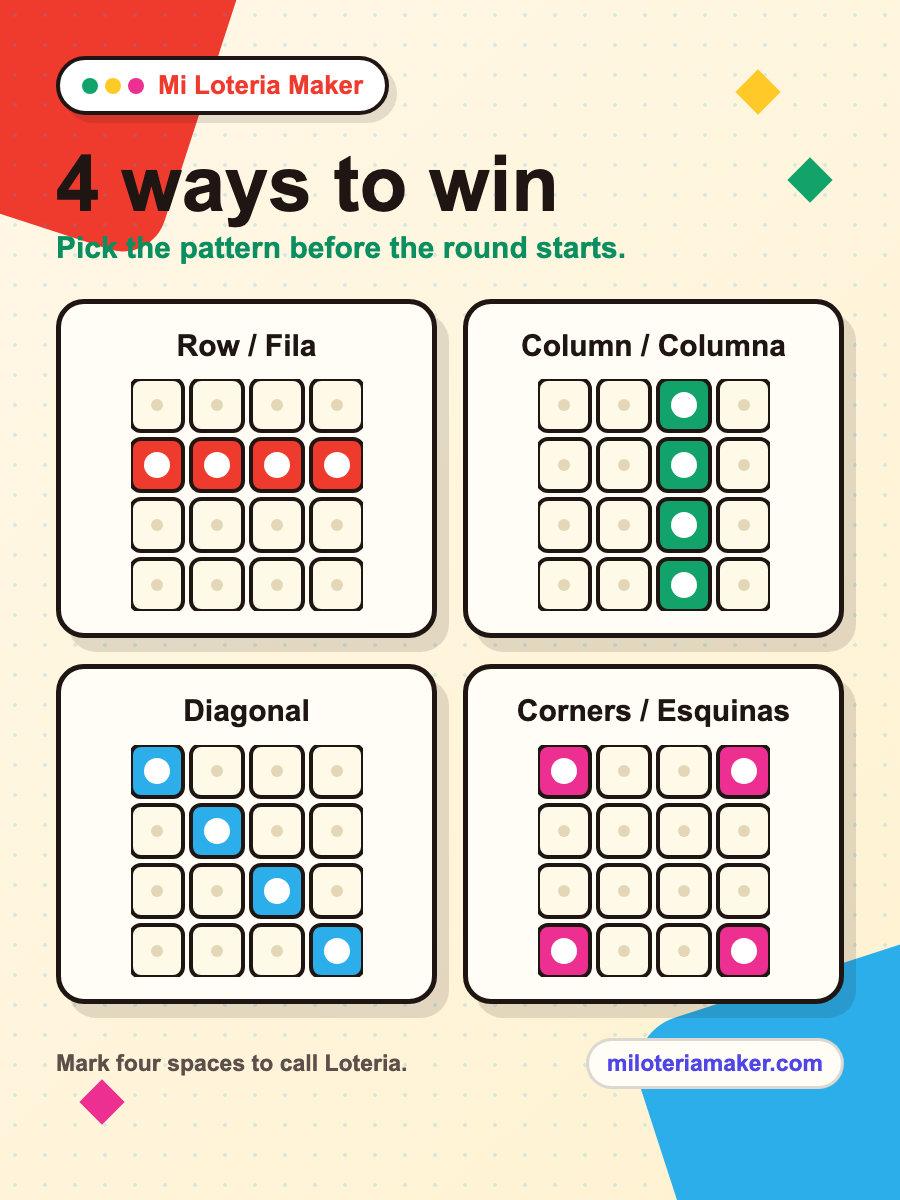
Common winning patterns
Families and hosts can choose the round style. For parties, keep patterns simple so people can jump in fast.
Row
Four across.
Column
Four down.
Diagonal
Corner to corner.
Four corners
Fast and dramatic.
A short history: from lottery games to Mexican picture cards
The roots of Lotería are usually traced to European lottery-style games that traveled through Spain and into New Spain, where the game slowly became part of Mexican popular culture. Before the familiar mass-printed decks, versions of the game were made by hand on wood or metal printing plates, so different makers could bring their own style to the images.
By the late 1800s, printed decks helped standardize the game. Don Clemente Jacques, a French businessman in Mexico, is strongly tied to the most familiar 54-card Mexican Lotería format. The deck people recognize today became famous because it was practical: bright images, short names, and cards that could be called across a noisy room.
That is why El Gallo, La Sirena, El Sol, El Nopal, La Luna, and the rest still feel instantly playable. The images are simple, but they carry history, humor, everyday objects, old-fashioned characters, animals, food, music, symbols, and plenty of personality.
- European lottery games helped shape the format.
- Mexican printed decks made the picture-card version familiar and portable.
- The 54-card sequence became the version many families know today.
Why Lotería is not just bingo with pictures
Bingo is built around numbers. Lotería is built around images, names, and recognition. You are not waiting for B-12 or G-46. You are waiting for La Rosa, El Corazón, El Nopal, or the one card your cousin needs and everyone else is secretly hoping does not come out.
The visual format changes the mood. Kids can recognize images before they can follow a number grid. Adults start joking about the cards. The caller can read a name, add a riddle, or stretch the suspense for an extra second because they know the whole table is listening.
That same structure is what makes custom Lotería work so well. Replace the traditional images with your photos, family nicknames, classroom vocabulary, product photos, or party jokes, and the game still feels like Lotería because the rhythm stays the same.
- Bingo calls numbers; Lotería calls images.
- The tabla feels like a small gallery, not a number sheet.
- The caller adds personality, timing, and humor.
What you need to play Lotería
The setup is part of the charm because it is so simple. Give every player or team a tabla, choose someone to call the cards, and hand out markers. Beans are classic, but coins, buttons, bottle caps, candy, or paper pieces all work. Just choose something small enough to cover a square without hiding the whole board.
The caller shuffles the deck and reveals one card at a time. If the image appears on your tabla, you mark it. If it does not, you pretend to be calm while the person next to you gets closer to winning.
- A deck of calling cards or a caller app.
- One tabla per player or team.
- Markers like beans, coins, buttons, bottle caps, or paper pieces.
- A winning pattern chosen before the round starts.
How to play, step by step
First, choose the winning pattern. The most common party version is four in a row on a 4x4 tabla, but many groups play columns, diagonals, four corners, center patterns, or full tabla when they want a longer round.
Next, the caller starts revealing cards. Players mark only the cards they actually have. When someone completes the pattern, they call out “¡Lotería!” and the table checks the board against the called cards. This part matters. Otherwise someone will absolutely try to win on confidence alone.
- Choose the pattern before calling the first card.
- Call and show one card at a time.
- Players mark matching images on their tablas.
- The first completed pattern calls “¡Lotería!”
- Check the winning board before starting the next round.
The caller tradition: names, riddles, and cantos
The caller, sometimes called the cantor, is the heartbeat of the game. Some callers simply read the card names. Others use the traditional sayings, make little jokes, add dramatic pauses, or roast the table in the most loving way possible.
The sayings are part riddle, part rhyme, part old-school humor. Some are playful. Some are puns. Some feel very much like they came from another era. That is why a good modern guide should show the calls, but also treat older titles with context and care.
In a printable game, custom game, or app-assisted game, you can keep that caller energy by showing the card, saying the title clearly, and letting the room react. The performance is part of the fun.
The 54-card deck: the little gallery everyone recognizes
The traditional Lotería deck is small enough to hold in your hand, but big enough to carry a whole world: animals, instruments, food, sky symbols, old-fashioned characters, jokes, warnings, puns, and images that most players can recognize before the caller finishes the sentence.
A good Lotería card has to work fast. The caller needs to say it clearly, the player needs to spot it quickly, and the whole table needs to understand the image even when the room is loud. That is why names like El Gallo, La Dama, La Luna, El Nopal, La Rosa, and El Corazón still work so well.
The cards are not organized like a museum catalog. They feel more like a lively table: a rooster next to a little devil, a lady next to a dandy, an umbrella before a mermaid, a ladder before a bottle. That mix is part of the charm. Lotería moves like someone flipping cards in real time.
- The list below follows the traditional 1 to 54 order.
- Each card shows the image, name, plain English meaning, traditional call, and translation.
- For custom decks, the lesson is simple: one strong image, one short title, one fast reaction.
About the older cards and calls
Traditional calls are part of the caller’s performance. Some are short and direct. Some are rhymes. Some are puns that only really land in Spanish. Some are funny because they sound like something an uncle would say while everyone pretends not to laugh.
Older decks also include titles and images that reflect the time they were printed. Cards such as El Negrito and El Apache can feel dated or uncomfortable today. If you use a traditional deck in a classroom, public event, or mixed group, it is reasonable to explain that these are historical card titles and treat them with care.
A modern custom deck gives you room to keep the Lotería structure while choosing names and images that fit your family, class, or event. Tradition can be honored without pretending every old image works the same way for every audience today.
Modern Lotería today
Artists and designers keep returning to Lotería because the format is flexible: one image, one name, one shared reaction. Modern decks can honor tradition, update the artwork, comment on culture, or turn the structure toward a specific event.
That is where Y&L Creations and Mi Lotería Maker fit naturally. A birthday deck can use family photos. A classroom deck can use vocabulary. A baby shower deck can use parents, cravings, and baby moments. A small business can turn products and inside jokes into a playable party game.
The tradition works because it is both structured and open. Keep the tabla, the caller, the pattern, and the shout of “¡Lotería!” Then make the cards feel like your people.
- Traditional decks preserve the classic rhythm.
- Themed Y&L sets make holidays and parties easier to host.
- Custom decks make the players, photos, and inside jokes part of the game.
Next step
Want your own version of the game?
Use the same Lotería structure, but replace the cards with your photos, names, jokes, and memories.
Helpful note
Quick rule for any Lotería game
If the caller deck and the player boards use the same cards, you can play. The theme can be traditional, funny, educational, romantic, spooky, seasonal, or completely personal.
Helpful note
Custom deck tip
Use traditional cards as naming inspiration. Short titles like La Jefa, Los Primos, El Pastel, La Selfie, or El Perrito feel more like Lotería than long captions.
Y&L product context
How Y&L uses the format today
Y&L Creations keeps the game easy to play while making it fit real events: printables, waterproof sets, custom templates, and Mi Lotería Maker for photo-based decks.
Traditional and themed
Printable and physical sets keep the familiar table-game energy ready for parties and classrooms.
Custom photo decks
Mi Lotería Maker lets your own photos, card names, jokes, and memories become the deck.
Print options
You can print at home, send files to a shop, or upgrade to Y&L printing when you want a finished set.
Sources and references
- Tía Lotería card guide Traditional card list reference.
- Tía Lotería winning patterns Common pattern examples.
- Wikimedia Commons Public-domain winning pattern animation.
- Instituto Cultural de México en Francia Historical notes on printed Mexican Lotería.
- Don Clemente Lotería Brand history and Don Clemente context.
- People's Graphic Design Archive Historical design context.
- TIME Modern artist reinterpretations.
